DevOps Engineering Program
Master DevOps and cloud infrastructure
Learn from DevOps Experts
Learn from engineers running production infrastructure at scale.
Production-Grade Systems
Build real CI/CD pipelines, Kubernetes clusters, and infrastructure automation.
Highest Paid Role
DevOps engineers command premium salaries. Average: 6-10 LPA+.
Ready to start?
Fill this form and our admissions team will contact you within 24 hours.
We respect your privacy. Unsubscribe anytime.
Why Master DevOps?
Every company shipping software needs someone who can build, automate, and keep production infrastructure running.
Highest Paid Role
DevOps engineers command premium salaries. Average starting salary: 6-10 LPA+.
Cloud-Native Skills
Docker, Kubernetes, and CI/CD are essential at every modern tech company, big or small.
Mission-Critical Skillset
DevOps engineers keep production systems reliable, secure, and always shipping.
Comprehensive Curriculum
What you'll master
A carefully designed curriculum that takes you from fundamentals to running production-grade infrastructure. Every concept is reinforced through real project work.
Weeks 1-3: Linux & Fundamentals
Master the command line
Linux Administration:
- • Linux file systems & permissions
- • Shell scripting
- • Package management
- • System services & processes
Core Tooling:
- • Networking basics
- • SSH & remote servers
- • Version control with Git
- • Cron jobs & automation
Weeks 4-6: Docker & Containerization
Package applications for any environment
Docker Fundamentals:
- • Images & containers
- • Dockerfile best practices
- • Docker Compose
- • Container registries
Real Project 1:
- • Containerize a multi-service app
- • Multi-stage builds
- • Environment configuration
- • Deploy to a staging server
Weeks 7-9: Kubernetes & Orchestration
Run containers at scale
Kubernetes Core:
- • K8s architecture
- • Pods, Deployments & Services
- • StatefulSets & ConfigMaps
- • Scaling & self-healing
Real Project 2:
- • Deploy an app to a K8s cluster
- • Rolling updates & rollbacks
- • Resource limits & monitoring
- • Namespace & access management
Weeks 10-12: CI/CD & Production
Automate delivery end-to-end
CI/CD & IaC:
- • Jenkins/GitLab CI pipelines
- • Infrastructure as Code (Terraform)
- • Monitoring & alerting
- • Log aggregation
Real Project 3:
- • Build a full CI/CD pipeline
- • Production deployment strategy
- • Incident response practice
- • Portfolio showcase
How we teach differently
Learning from DevOps Experts
Your mentors run production infrastructure at scale. They share real incident response, not textbook theory.
- Daily code and config reviews
- Real infrastructure decisions explained
- Production debugging and monitoring
- Career guidance from industry veterans
Building Real Infrastructure
No toy projects. You'll build real CI/CD pipelines and Kubernetes clusters that deploy actual applications.
- Work with real deployment targets
- Ship pipelines to production
- Handle real-world scale and uptime
- Build a portfolio that impresses employers
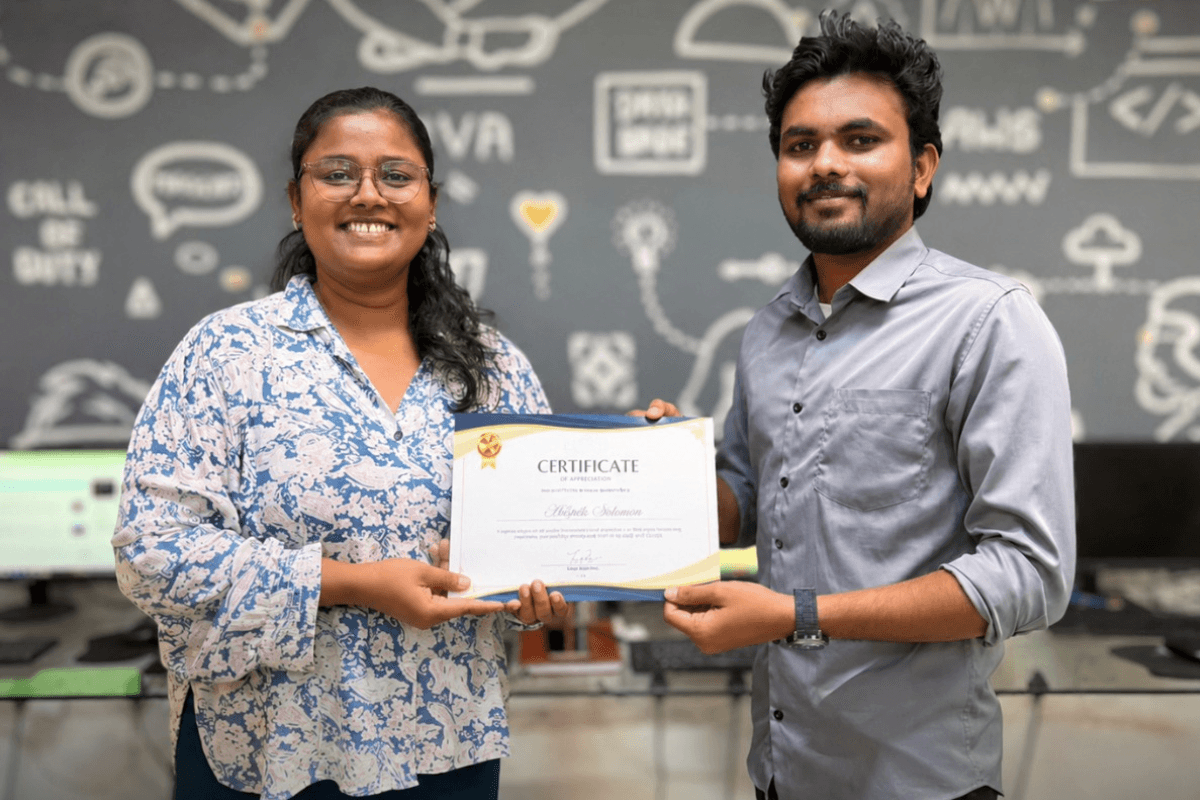
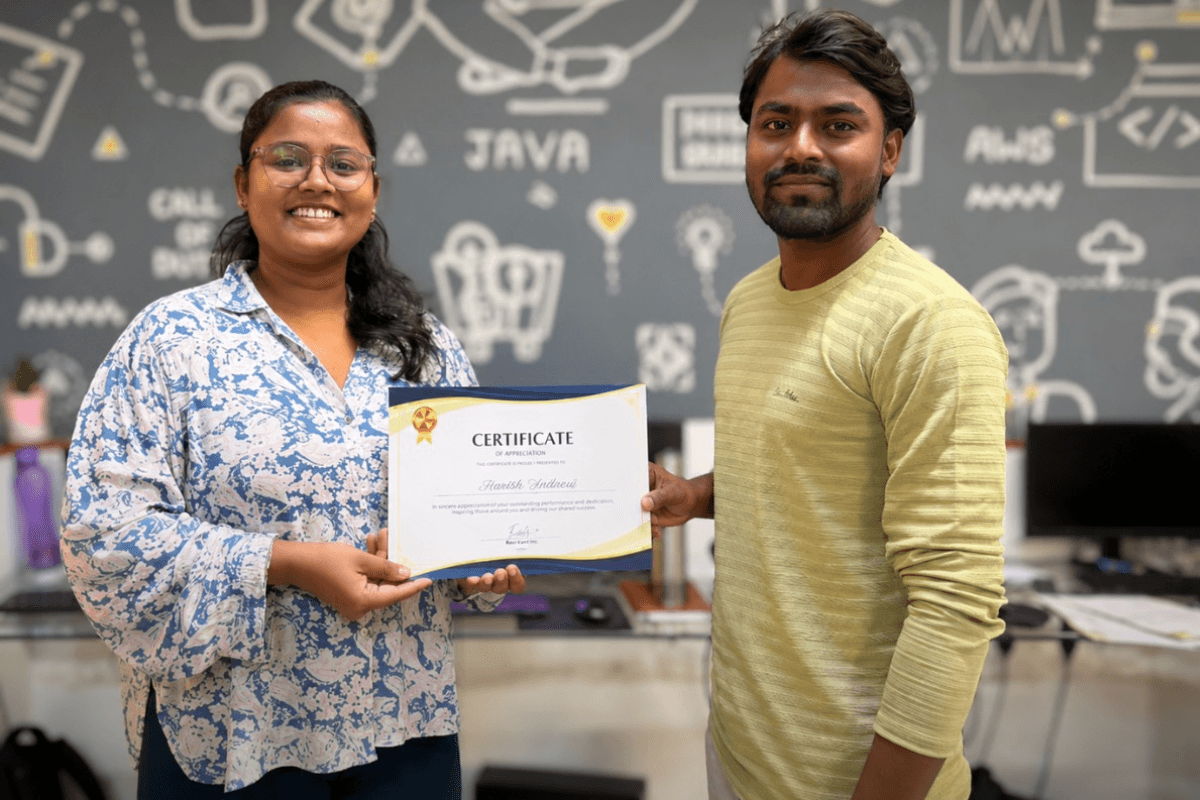
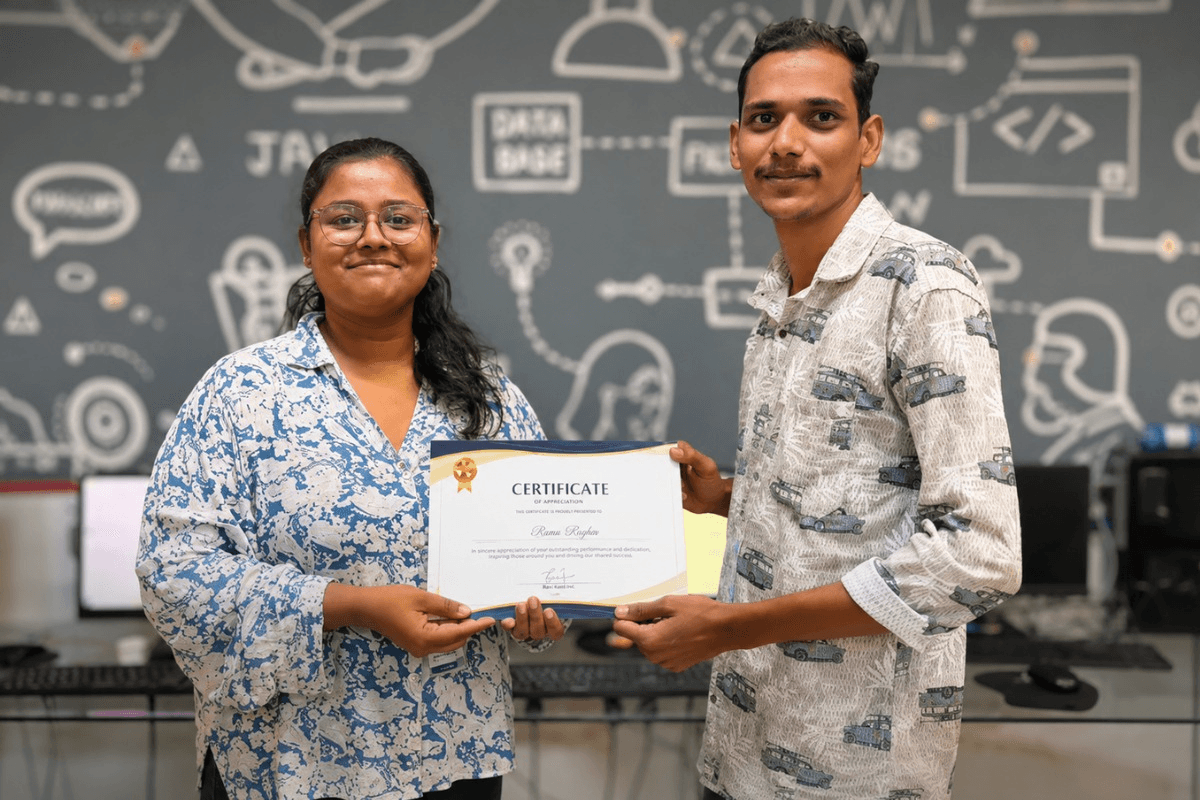
Real Success Stories
From learners to professionals.
Our students, their certificates, and the training behind every career we launch.







Common questions
Who is the DevOps & Cloud Infrastructure Program for?▼
This program is designed for developers and IT professionals who want to learn how to build, deploy, manage, and scale production infrastructure.
What will I learn in the DevOps program?▼
You'll learn Linux administration, shell scripting, Docker, Docker Compose, Kubernetes, CI/CD, infrastructure as code, monitoring, and cloud infrastructure.
Will I work on real-world DevOps projects?▼
Yes. The program includes 3 practical projects, covering containerization, Kubernetes deployment, and production-ready CI/CD and infrastructure workflows.
Will I learn Docker and Kubernetes?▼
Yes. You'll learn Docker fundamentals, images and containers, Docker Compose, container registries, Kubernetes architecture, services, deployments, and StatefulSets.
Does the program cover CI/CD and production deployment?▼
Yes. The final phase covers Jenkins, GitLab CI, monitoring, infrastructure as code, and production deployment practices.
What career opportunities can I pursue after completing the program?▼
You can prepare for roles such as DevOps Engineer, Cloud Engineer, Site Reliability Engineer (SRE), Infrastructure Engineer, and Platform Engineer.